

Enter some keywords, topic or resources you are looking for:
Welcome to BeeBase
BeeBase is the Animal and Plant Health Agency's (APHA) National Bee Unit website. It is designed for beekeepers and supports Defra, Welsh Government and Scotland's Bee Health Programmes. BeeBase supports the aims of the Healthy Bees Plan 2030, [and the Scottish Government Honey Bee Health Strategy 2022 - 2032] which focuses on protecting and sustaining our valuable national bee stocks.
The role of the NBU is to control pests and diseases of honey bees (Apis mellifera) through delivery of a statutory disease inspection programme, an apiary surveillance programme for exotic pests, and education. To learn more about the NBU's remit, please see the About Us page. For more information on the Scottish bee health programme, please visit our Beekeeping in Scotland pages.
Register with BeeBase
Access to our resources is free of charge to anyone. Beekeepers in England, Scotland and Wales can use the online portal to register as a beekeeper and provide details of apiaries to receive email alerts about disease and pest outbreaks in your area. Beekeepers may receive inspections from NBU inspectors as part of statutory disease programme. These inspections are free of charge and can provide a learning opportunity to beekeepers as the inspector will give advice on preventing and identifying honey bee diseases.
It is free to register with BeeBase. Sign up here.
Are your details up to date?
If not, please login and update your details. Please ensure that the details of your current apiary sites are current and accurate. This will ensure you get the most up to date disease and husbandry alerts for your area.
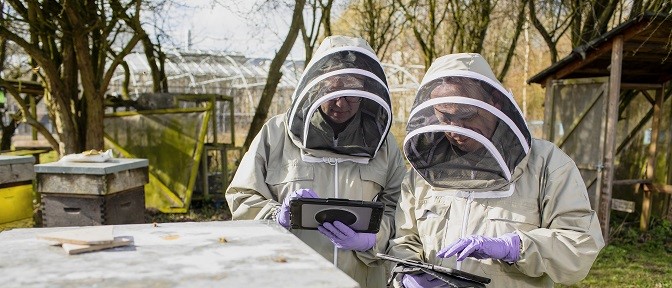
Learn about pests and diseases of honey bees
European foulbrood and American foulbrood are statutory diseases that are legally notifiable in the UK. See our legal responsibilities of beekeepers page to learn more. If you suspect that the presence of either brood disease in your colonies, please contact us immediately, or email [email protected] if you live in Scotland. If you are uncertain about the signs of foulbrood, please view our Foulbrood pages.
Our Diseases and Pests pages give details of honey bee pests and diseases that all beekeepers should be aware of to maintain productive stocks of bees. They provide details of biology, impact, and management options for a range of infestations and infections and, where available, information about current incidence.
Resources for beekeepers
BeeBase contains a wealth of resources for beekeepers. We have a large library of free downloadable beekeeping literature including best practice guides, fact sheets, advisory booklets/leaflets, training videos, online lectures and articles written by the NBU. We also have a gallery of beekeeping images, free to download and share under Crown Copyright, in the searchable Media Gallery.
Information on live and historic disease incidence, disease trends, colony losses, import and export statistics and a wide range of other data can be found on the Disease Incidence page.
If you are a new beekeeper or thinking about keeping bees, why not get started with our Starting Right with Bees beginner’s guide?
Science at the NBU
On our Science and Engagement pages, you can find more about the research projects that the NBU is involved in and access a selection of published scientific articles, free of charge. Scientific evidence underpins the work of the NBU and is incorporated into our literature and training. To learn more please visit the Healthy Bees Plan 2030 page.
Queries and feedback
Please use this link to provide email feedback on what you think or what you'd like to see on the site.
If you have a specific question or query for the NBU, please visit our FAQ page. If you can’t find the information you need then drop us a line at [email protected].
Latest News
Husbandry Survey 2026
A randomised sample of beekeepers registered on BeeBase will shortly be contacted via email and asked to complete a short…
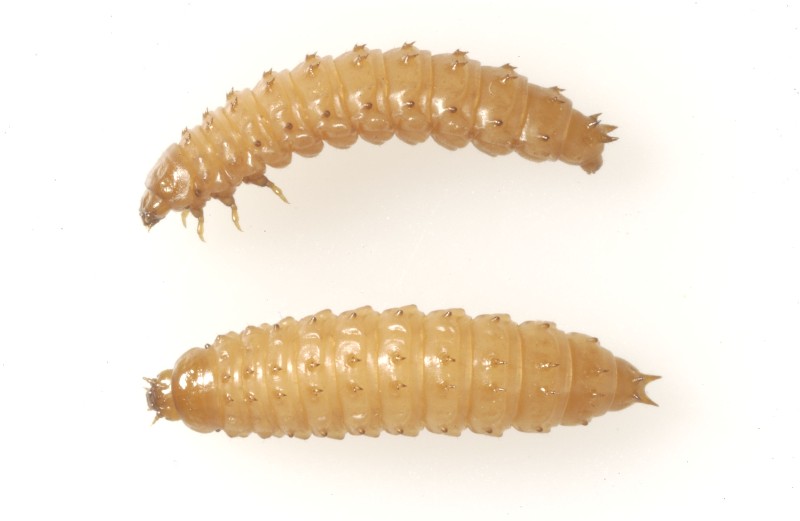
Update on small hive beetle in Italy
On the 8th June 2026, Aethina tumida (small hive beetle) was confirmed in an apiary in the province of Latina,…
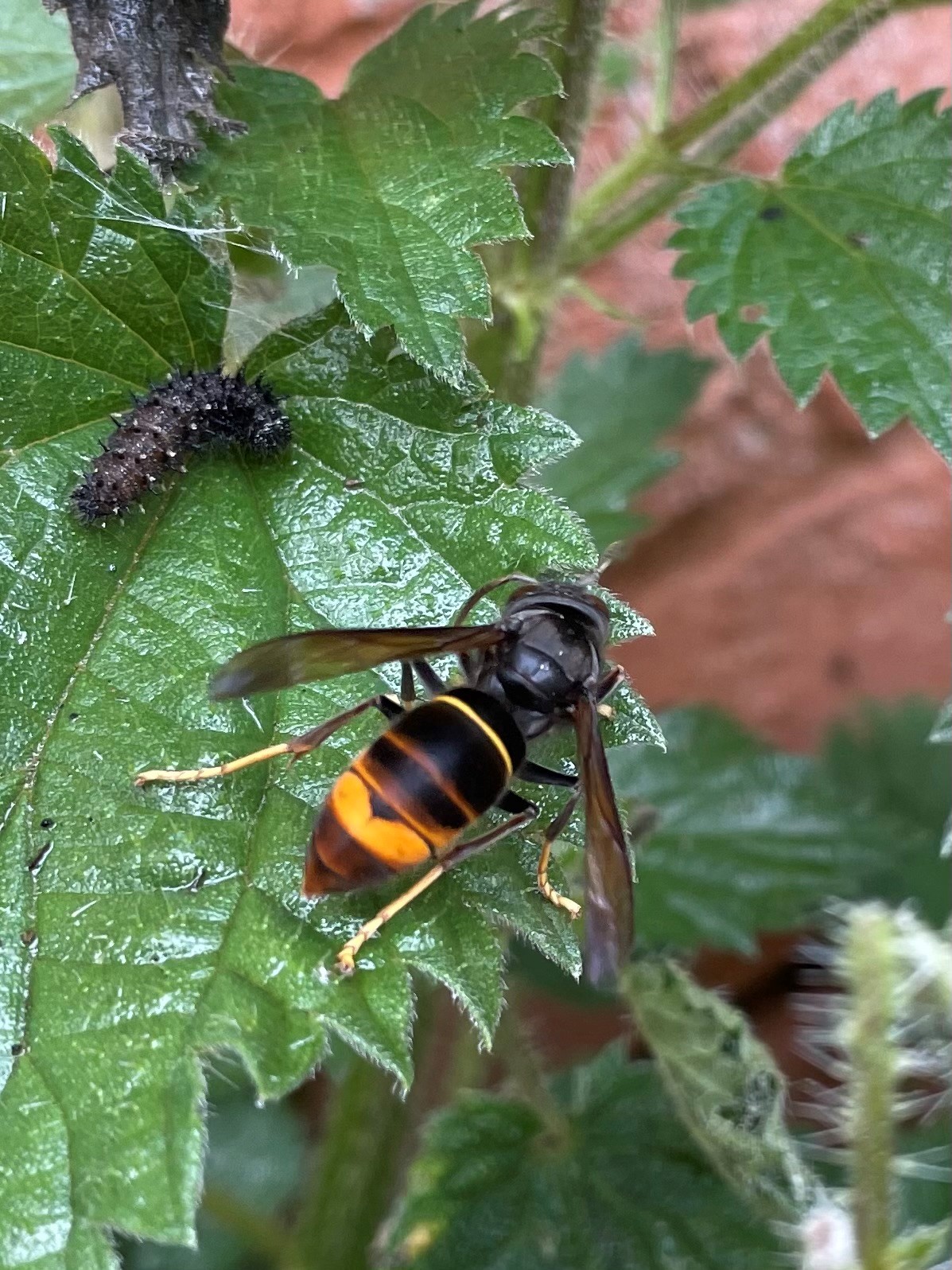
Yellow-legged hornet 2026 rolling update
Please report sightings of Yellow-legged hornets (YLH), also known as Asian hornets, on this online form or download the free…